470 Years of History
Founding
Preserving the sacred light since the Warring States period
Ryuzawa-san Genchu-in Daiganji Temple traces its origins back to 1551, during the Warring States period. It was founded by Hara Tanehide, one of the famous Chiba clan members, and his wife, with the venerable Doyo Teiha as the founding priest.
The name "Daiganji" (Great Rock Temple) is said to have been chosen with the wish that the temple would stand as a spiritual foundation for people, like a great rock towering in the Pure Land.
Tenbun 20
Founded by Hara Tanehide and his wife, with Doyo Teiha as the founding priest.
Tensho 18
Became the first temple to receive a land guarantee from Tokugawa Ieyasu after his arrival in Kanto.
Keicho 15
Selected as one of the 18 Kanto Danrin (training centers) of the Jodo sect.
Heisei 23
Main hall and study designated as Nationally Registered Tangible Cultural Properties.
Connection to the Tokugawa Family
First Temple Land Guarantee in Kanto
In 1590, immediately after Tokugawa Ieyasu entered the Kanto region, Daiganji etched its name in history as the first temple to have its land rights guaranteed by him.
This stands as a testament to the respect Ieyasu held for the temple's history and prestige. Since then, Daiganji has maintained a deep connection with the Tokugawa Shogunate.
The Treasure Hall carefully preserves valuable historical documents, including the vermilion-seal letter granted by Ieyasu himself.
Jodo-shu Kanto 18 Danrin
As a Training Ground for Nenbutsu
"Danrin" refers to the training institutions for Jodo sect monks established during the Edo period. Daiganji was selected as one of the "Kanto 18 Danrin" in 1610 and has produced many monks over the centuries.
Today, it continues to be a place for Nenbutsu practice, hosting traditional training sessions such as the Betsuji Nenbutsu Kai.
National Cultural Properties
Preserving the Form of the Past
In 2011, the Main Hall and the Shoin (Study) were designated as Nationally Registered Tangible Cultural Properties.
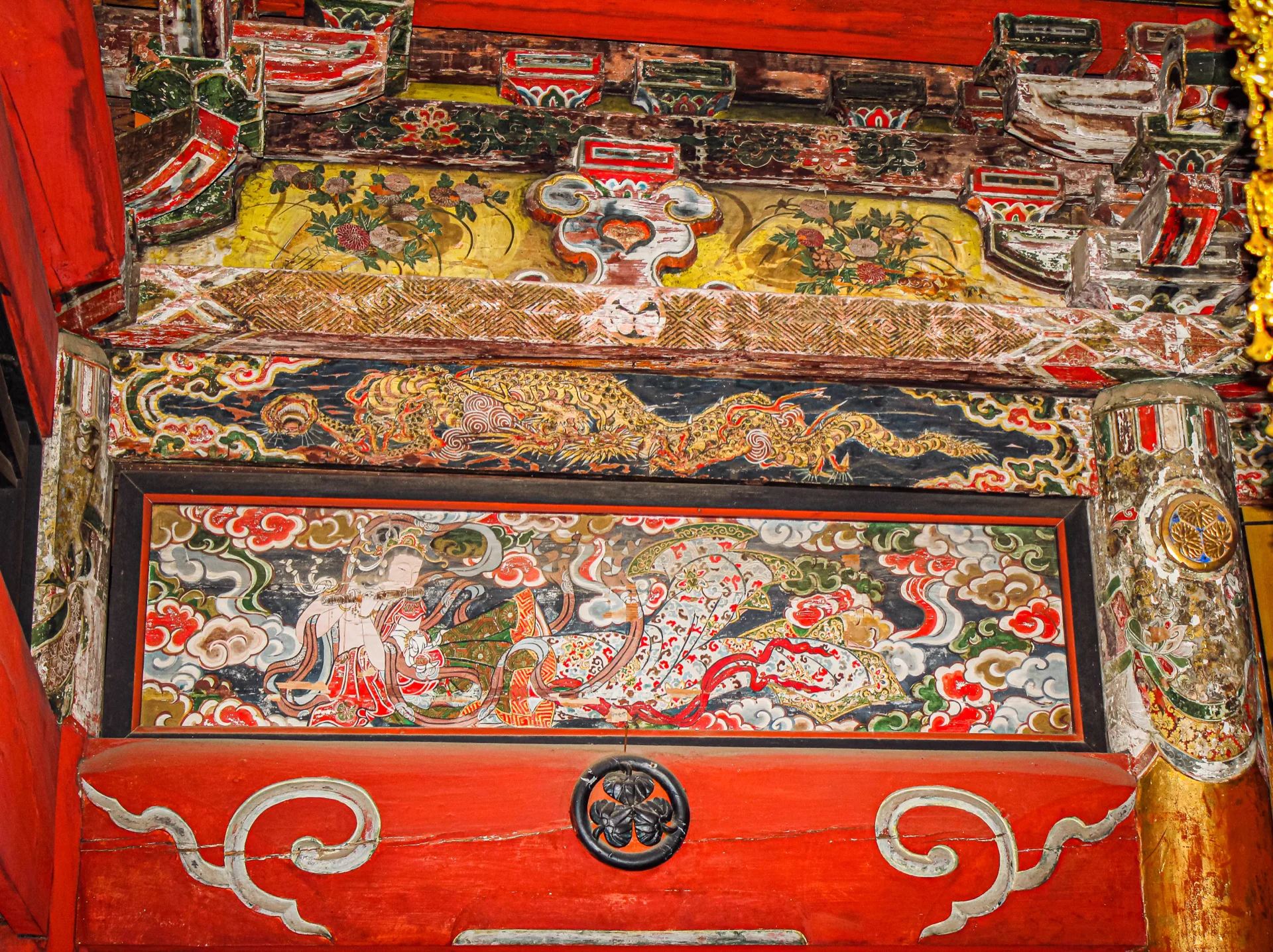
The Main Hall retains the architectural style of the late Edo period, conveying its magnificent appearance to the present day. Inside, beautiful ceiling paintings and delicate carvings invite visitors into a serene space.
The Shoin, which has served as the residence for the head priest, is a building of prestigious construction.
Temple Grounds
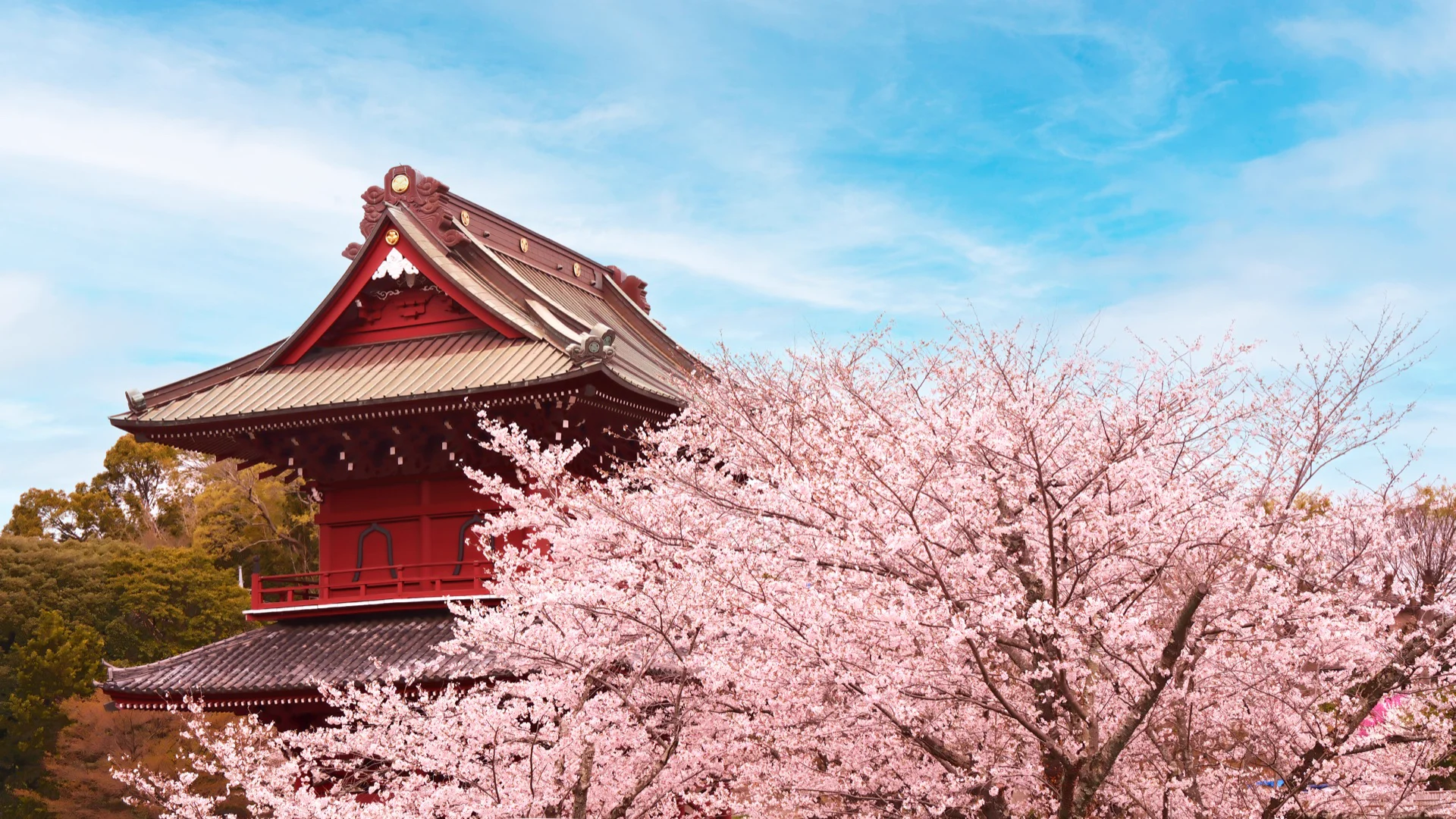
Sanmon Gate
A majestic gate standing at the entrance. In spring, it is enveloped in cherry blossoms.
Main Hall
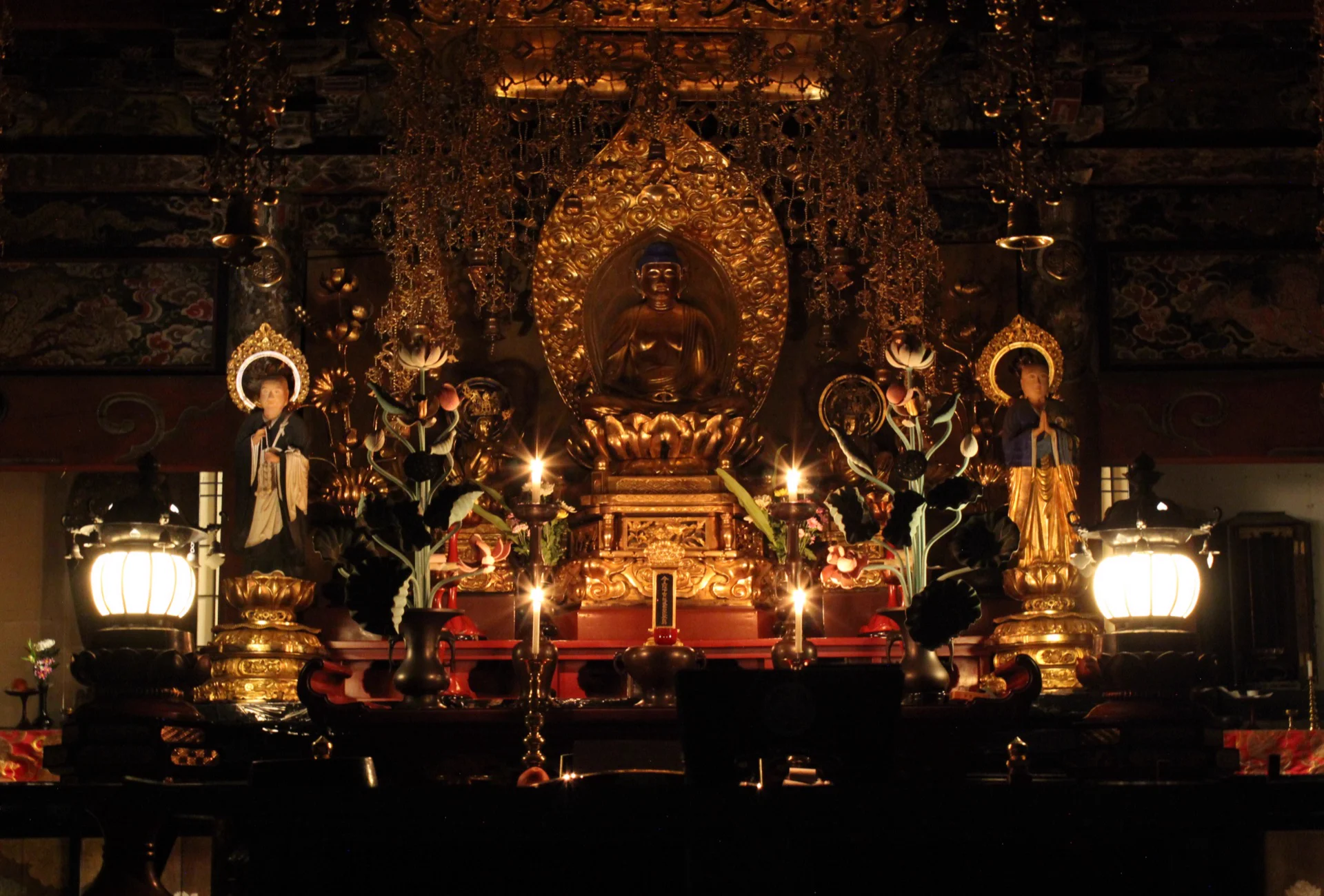
Registered Tangible Cultural Property. Enshrines Amida Nyorai as the principal image.
Shoin
Registered Tangible Cultural Property. A building of prestigious traditional construction.
Bell Tower
Where the bell is rung on New Year's Eve to cleanse the 108 worldly desires.
Treasure Hall
Exhibits valuable historical materials, including the vermilion-seal letter from Ieyasu.
Garden
A Japanese garden showing the beauty of the four seasons.